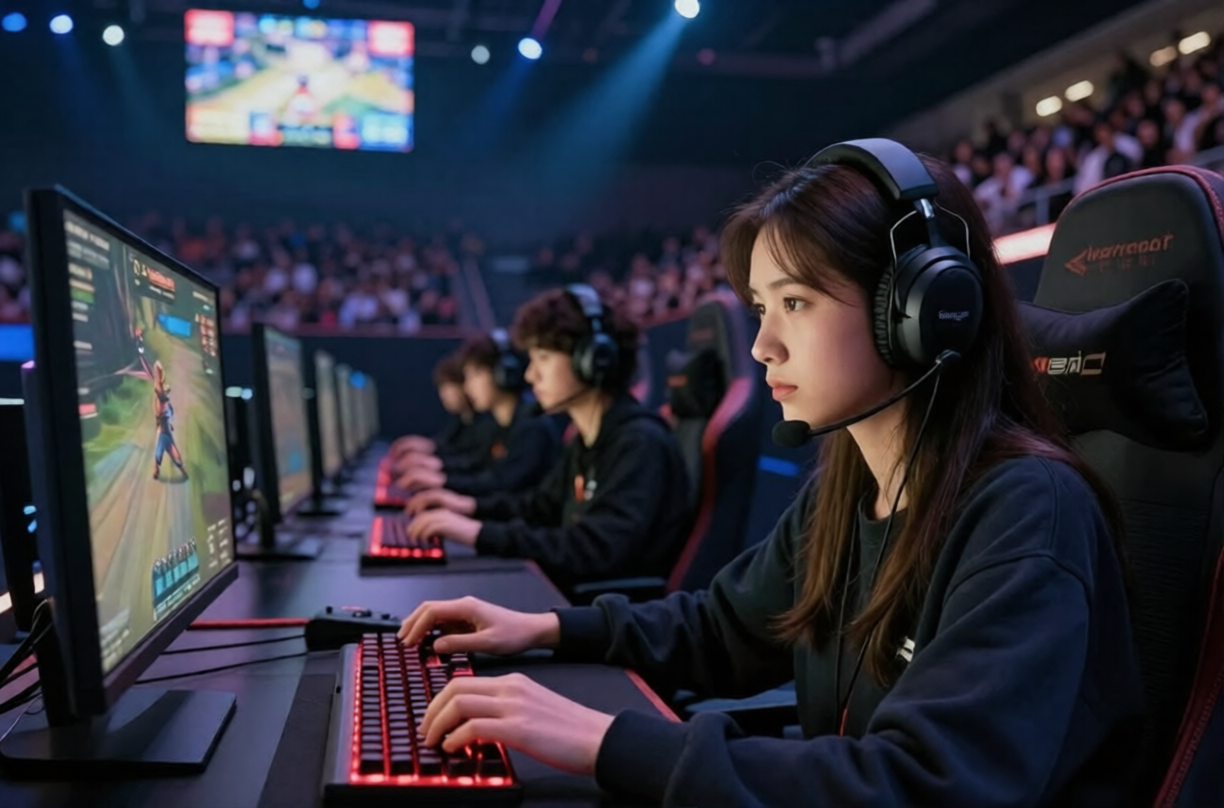
From Hobby to Career: Becoming a Professional Gamer
Not too long ago, telling someone you wanted to become a professional gamer might have sounded unrealistic. Many people believed gaming was just a hobby something you did to relax after school or work. Parents often reminded their children not to spend too much time in front of a screen. But times have changed. Today, gaming is no longer just entertainment. For some, it has become a serious career path.
The journey from hobby to profession is not simple, but it is possible. It starts with passion. Most professional gamers slot jepang began the same way as everyone else playing for fun. They enjoyed the excitement of competition, the challenge of improving their skills, and the satisfaction of winning. What made them different was consistency. They did not just play casually; they practiced intentionally.
Becoming a professional gamer requires discipline. Many people imagine professional gaming as sitting comfortably and playing all day. In reality, it involves structured training. Competitive players spend hours refining strategies, studying opponents, and reviewing gameplay footage. Just like athletes, they focus on improving reaction time, coordination, and teamwork. It is not just about talent; it is about dedication.
One of the key steps in becoming a professional gamer is choosing the right game. Competitive games with strong esports communities offer more opportunities. Players often specialize in one game to master its mechanics, strategies, and competitive scene. Consistency and focus help build expertise over time.
Another important factor is participating in tournaments. Online competitions provide exposure and experience. Even small local tournaments can be stepping stones toward larger events. Each match teaches valuable lessons about handling pressure, adapting strategies, and maintaining focus. Winning is exciting, but losing can be even more educational.
Streaming and content creation also play a major role in modern slot kamboja gaming careers. Platforms like Twitch and YouTube allow players to showcase their skills while building a personal brand. Many professional gamers started by streaming their gameplay, gaining followers, and attracting sponsorships. Building an audience requires personality, communication skills, and authenticity. Viewers are drawn not only to skill but also to relatable and engaging content.
Networking is another essential part of the journey. Joining teams, connecting with other players, and engaging with the gaming community open doors to opportunities. Professional gaming is rarely a solo journey. Teams provide structure, coaching, and shared goals. Working with others teaches collaboration and builds trust, both of which are crucial in competitive environments.
Of course, turning gaming into a career also requires balance. The path is competitive and uncertain. Not every talented player will reach the top level. That is why many aspiring professionals continue their education or develop additional skills alongside gaming. Video editing, marketing, graphic design, and social media management can complement a gaming career and create alternative opportunities within the industry.
Mental and physical health are often overlooked aspects of professional gaming. Long hours in front of a screen can be demanding. Successful players understand the importance of exercise, healthy eating, and proper rest. Mental resilience is equally important. Competitive gaming can be stressful, and handling criticism or setbacks requires maturity and emotional control.
The financial aspect of professional gaming varies. Some players earn income through tournament prizes, while others rely on sponsorships, streaming revenue, and brand collaborations. As the esports industry continues to grow, financial opportunities are expanding. However, income can be unpredictable, especially in the early stages. Patience and perseverance are necessary.
The most inspiring part of becoming a professional gamer is the transformation itself. What begins as a simple hobby slowly evolves into a goal, then into a lifestyle. The hours spent practicing, the challenges faced, and the lessons learned shape not only gaming skills but also character. Discipline, teamwork, communication, and strategic thinking are skills that extend beyond the digital world.
Technology has made this dream more achievable than ever. Online platforms connect players globally. Tournaments are accessible from home. Audiences can be built without traditional media support. The digital age has created possibilities that did not exist a generation ago.
However, the journey requires honesty and self-awareness. Passion alone is not enough. Hard work, resilience, and continuous improvement are essential. It is important to set realistic goals and understand that progress takes time. Even the most successful professional gamers started as beginners.
In conclusion, becoming a professional gamer is no longer just a dream it is a real career path in the modern digital world. It represents how technology has transformed hobbies into professions. While the journey is challenging, it is also rewarding for those willing to commit.
From hobby to career, the path of a professional gamer teaches an important lesson: passion combined with discipline can open unexpected doors. Gaming may start as entertainment, but with dedication, it can become something much greater a career built on skill, creativity, and determination.